

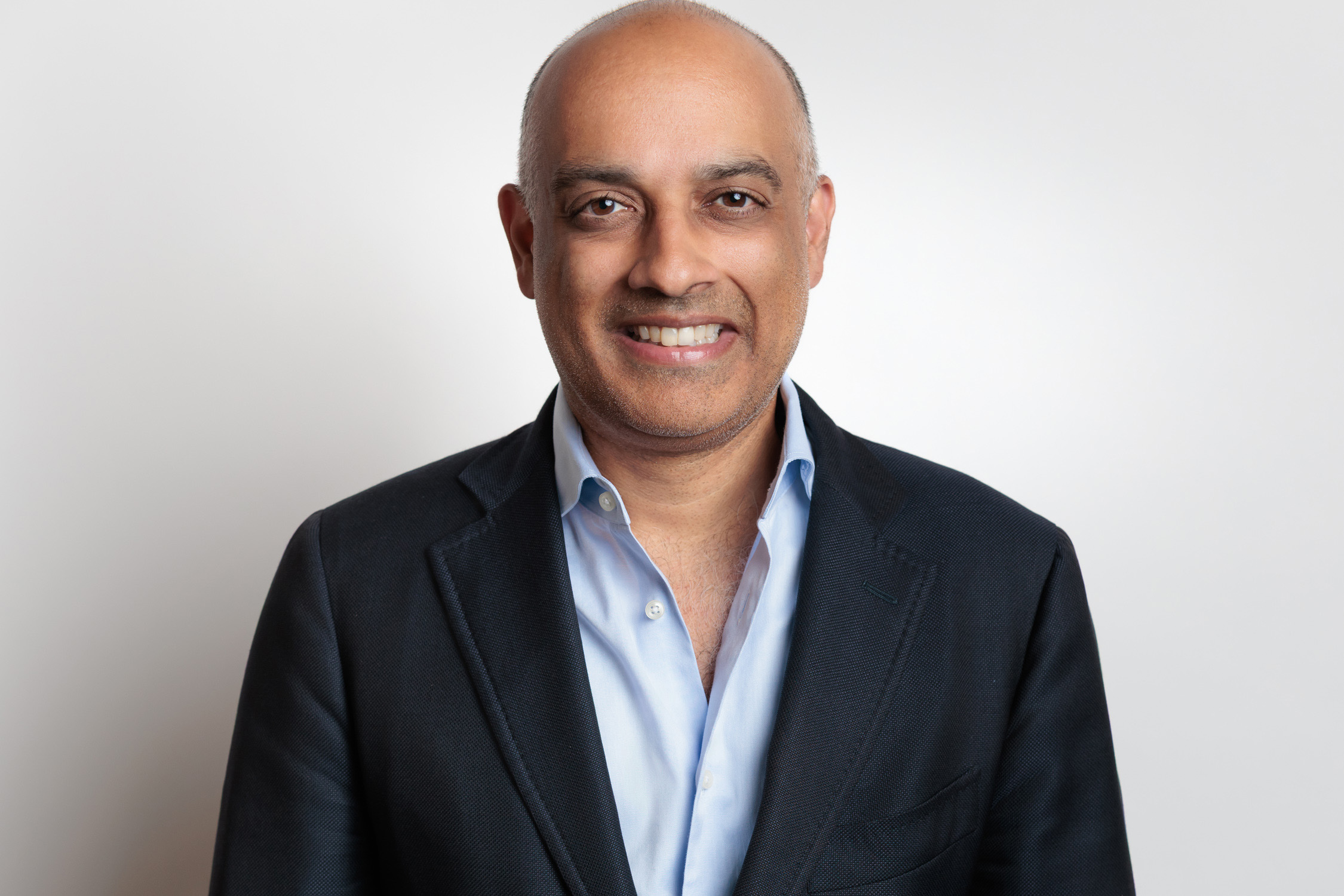
For Dr. Rohan Ramakrishna, neurosurgery was never just a career choice, it was a calling. He recalls what first drew him in: "If you think of the most complex thing in the known universe, it's the human brain. The idea of being able to operate on something that complex and make people better was astounding to me – I knew pretty quickly that this was the field for me."
Dr. Ramakrishna leads WCM's brain tumor program and serves as Chief of neurosurgery at NewYork-Presbyterian Brooklyn Methodist. He describes these roles as the most meaningful of his career.
Meeting Patients in Their Most Frightening Moments
When a patient walks in after a new brain tumor diagnosis, Dr. Ramakrishna's first priority is simple: slow down.
"A brain tumor diagnosis can be very frightening, and patients often feel like everything is happening all at once," he explains. "Our job is to bring clarity." That means reviewing imaging carefully, understanding the tumor and listening to what the patient actually wants. "We try to design a very personalized therapy. Sometimes the goal is to remove the whole tumor. Sometimes it's to relieve pressure. But almost always, it's to remove as much as we safely can without harming function."
He's equally intentional about the emotional texture of those early conversations. "Patients remember everything about these initial meetings — and emotionally, they remember how they felt. Did they feel supported? Did we walk them through a care plan in an accessible way?" His goal is to leave every patient with honesty, compassion and a plan they can trust.
Pushing the Frontiers of Treatment
Beyond the operating room, Dr. Ramakrishna is deeply invested in developing better therapies for patients with glioblastoma and recurrent meningiomas. He leads a multidisciplinary brain metastasis group that convenes regularly to discuss every patient with brain metastases from solid tumors, ensuring treatment plans reflect the latest options: surgery, targeted therapy, immunotherapy, radiation or combinations of all of the above.
He's also a champion of minimally invasive techniques. His team at Weill Cornell has pioneered approaches through the nose, around the eye socket and through the eyelid crease to access tumors deep in the brain and skull base. Current clinical trials in Dr. Ramakrishna’s lab are exploring focused ultrasound for glioblastoma and novel immunotherapy approaches for difficult-to-treat meningiomas.
Speed of discovery is another priority. "Our patients need better therapies now," he says. "It can take many years for an idea to move from the bench to the bedside. I'm really interested in building systems to close that gap."
Neurosurgical Care for Brooklyn’s Residents
As Chief of neurosurgery at NYP Brooklyn Methodist, Dr. Ramakrishna is building something he calls essential: a world-class neurosurgical program that patients don't have to leave their borough to access.
"There are roughly three million people in Brooklyn, and they deserve the very best care close to home," he says. "When you're dealing with a new brain tumor diagnosis, having to travel far for care, on top of work, family and financial considerations, can make everything harder. We want to bring amazing care locally."
For Dr. Ramakrishna, this isn't just a logistical mission — it's a matter of health equity. The program at Brooklyn Methodist includes the full range of ancillary services patients expect from a leading academic medical center, available in their own community. With WCM faculty caring for patients in Brooklyn, the borough has ready access to the best neurosurgical care in the city, right at home.
Training the Next Generation
As director of WCM's CAST accredited surgical neuro-oncology fellowship, Dr. Ramakrishna is shaping the neurosurgeons of tomorrow. His goals for the fellows go beyond technical skill. "Technical excellence without great judgment leads to dangerous outcomes," he says. Fellows are trained not only in the latest operative techniques, but in knowing when to operate, when to pursue non-surgical alternatives and how to talk to patients with the clarity and compassion a brain tumor diagnosis demands.
Outside the OR
When asked what keeps him grounded, Dr. Ramakrishna doesn't hesitate: family, reading and music. A self-described child of the '80s, his playlist spans jazz, hip hop, house — and, he admits with a laugh, the occasional country song. He’s also a vinyl enthusiast remarking that “the sound is just better.”
His advice to those early in their careers considering neurosurgery? "Make sure you love the work, not the idea of the work. It's demanding. It's a calling. But it gives you dividends every single day."
Book an appointment or learn more about Dr. Rohan Ramakrishna here.